Illuminating the Way: The Power of Light in Architecture
Light has the power to transform spaces, evoking different moods, emphasizing architectural elements, and creating immersive experiences.
In architecture, lighting design is both an art and a science, playing a vital role in shaping how we perceive and interact with the built environment.
Table of contents
The Significance Architectural Lighting
Lighting is fundamental to architecture, as it not only allows us to see and navigate spaces, but also impacts our emotions, behaviors, and overall well-being. Effective lighting design in interior design can enhance the ambiance and functionality of architectural spaces, making them more inviting, comfortable, and engaging.
Beyond its practical purposes, lighting can also tell a story, guiding the visitor’s journey and drawing attention to specific architectural features or artwork. It can create a sense of drama, highlight textures and materials, and even influence our perception of scale and depth.
In essence, lighting is a powerful tool that architects and designers can leverage to create meaningful experiences and evoke desired emotions in the people who occupy or visit a space. From the warm glow of a cozy living room to the dramatic illumination of a museum gallery, lighting has the ability to transform the ordinary into the extraordinary.
The Art of Lighting Design
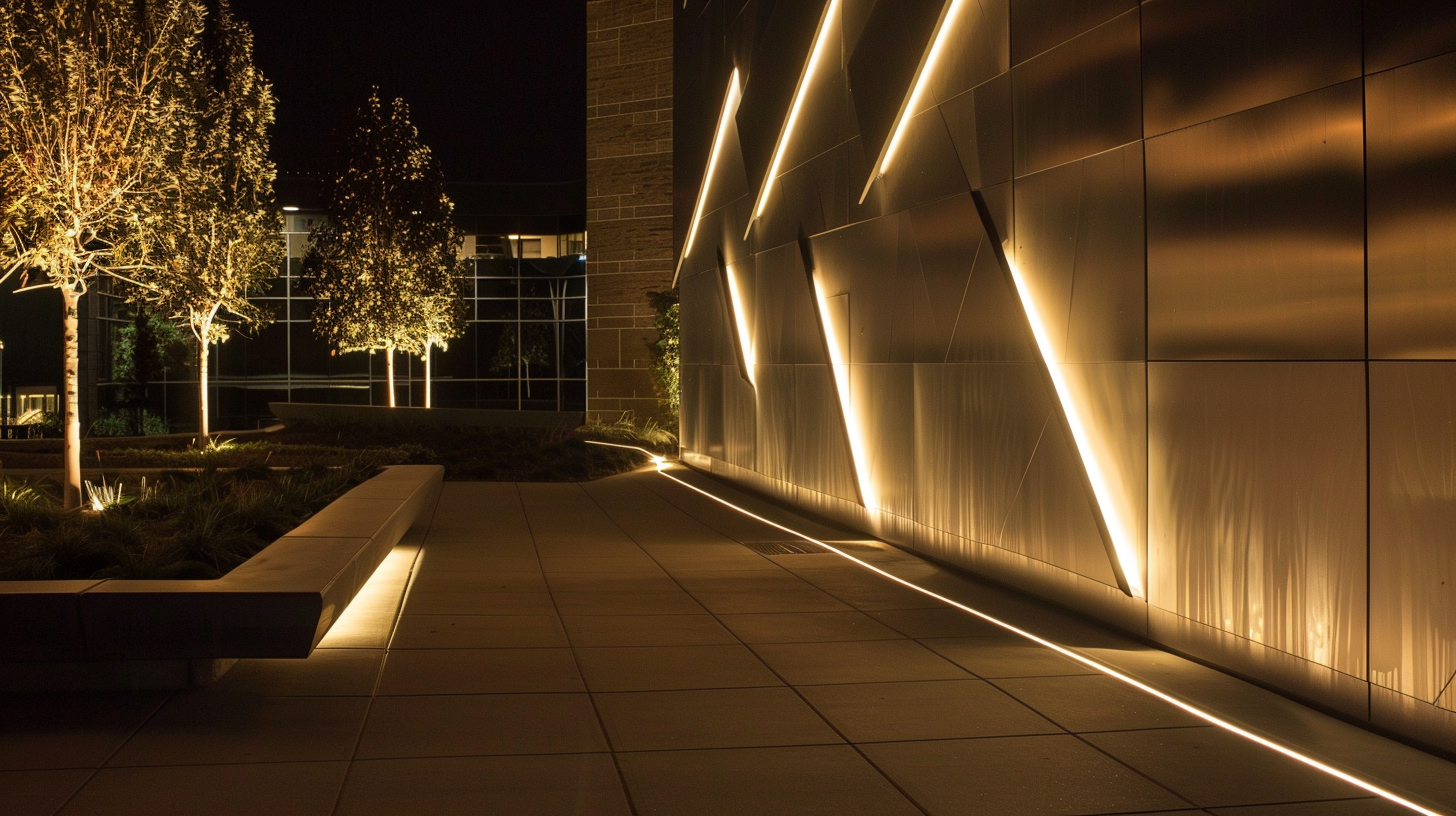
Architectural lighting design is a delicate balance of art and science. It requires a deep understanding of both the technical aspects of light and the ability to craft emotionally impactful experiences. At its core, lighting design is about shaping perceptions and evoking desired responses from people within a space.
Creating Ambiance and Mood
Light has an undeniable impact on our moods and emotions. Indirect lighting softens emitted rays to create an evenly distributed glow, enhancing the overall ambiance. Warm, soft lighting can create a cozy, intimate ambiance, while cooler, brighter illumination often feels more energizing and invigorating. By carefully controlling the intensity, color temperature, and distribution of light, designers can intentionally cultivate specific atmospheres and set the tone for how people experience a space.
Highlighting Architectural Features
Strategic lighting plays a crucial role in accentuating the architectural details and elements that define a space’s character. Linear lighting is particularly effective in highlighting asymmetrical architectural features, emphasizing layouts that do not follow a rigid design pattern. Accent lighting can draw the eye to unique textures, curves, or materials, while grazing light along a wall can reveal its dimensionality. Used effectively, lighting becomes a way to sculpt volumes and guide the viewer’s focus.
Evoking Emotions and Experiences
Beyond ambiance and emphasis, lighting holds the power to stir emotions and create truly memorable experiences within architecture. Thoughtfully designed lighting can evoke a sense of awe, wonder, or tranquility. For example, the soft, diffused light that filters through the perforated dome of the Louvre Abu Dhabi (by Jean Nouvel) creates a metaphorical “rain of light” that tells the story of Arabian architecture.
Light as a Design Statement
In some architectural works, lighting becomes more than just a supportive element — it becomes the centerpiece and driving aesthetic. Lighting fixtures can enhance a space by creating captivating and aesthetically pleasing features, adding significant visual interest. Projects like the curved, seemingly holographic lighting installation of the Calgary Central Library (by Avalon Holographics) blur the lines between illumination and sculptural form. Here, light transcends its functional role to become an artistic design statement unto itself.
Principles of Architectural Lighting
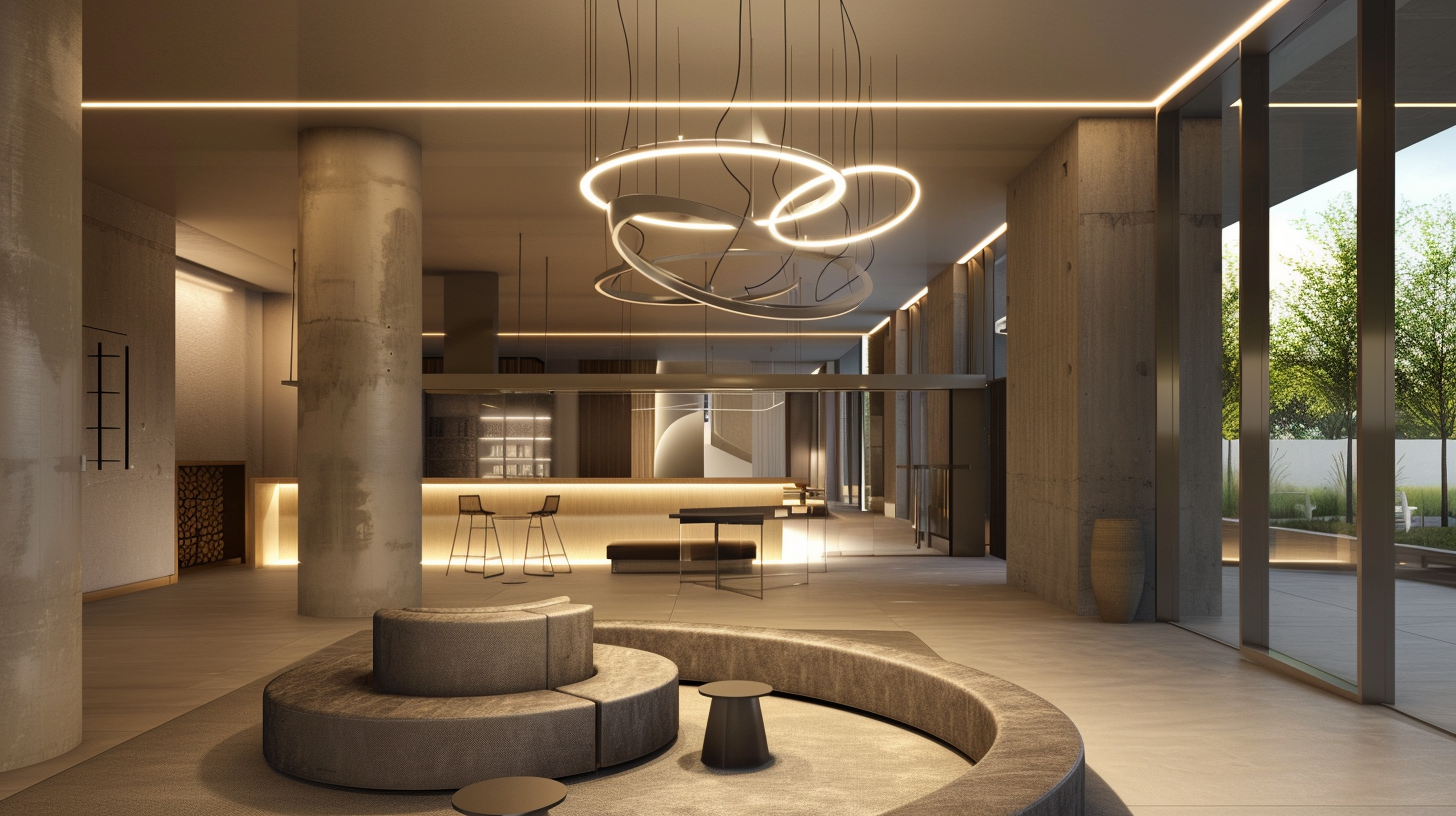
Behind effective architectural lighting schemes are fundamental principles that guide critical decisions around light sources, placement, control, and layering. Lighting systems play a crucial role in human wellbeing and architectural design, impacting circadian rhythms and creating aesthetically pleasing environments. These principles blend technical knowledge of light qualities with an artistic vision for the desired ambiance and experience.
Understanding Light and Color Light itself is a nuanced phenomenon involving factors like color temperature, intensity, distribution, and quality. Cooler color temperatures in the blue/white spectrum tend to create a more energizing, clinical feel, while warmer yellows and ambers foster a cozy, inviting ambiance. Controlling the direction of light, its spread or evenness, and the sharpness or diffusion of its edges is crucial for both functional and artistic purposes.
Lighting Design Layers
Masterful lighting rarely relies on just one type of illumination. Instead, multiple layers of light are carefully combined to produce a cohesive, multi-dimensional environment. Ambient luminaires might provide overall illumination, while task sources enable specific activities, and accent lighting adds depth by highlighting key elements. This strategic layering and balance of light sources culminates in a richer, more intentional atmosphere.
Linear Lighting Design
This technique uses linear runs of light to visually guide the eye, delineate pathways, or outline architectural forms. Architectural lighting designers play a crucial role in creating visual beauty and accentuating spaces through lighting fixtures. Gently illuminated handrails, cove lights, or lines of recessed lighting can create a subtle yet impactful linear lighting effect.
Types of Architectural Lighting
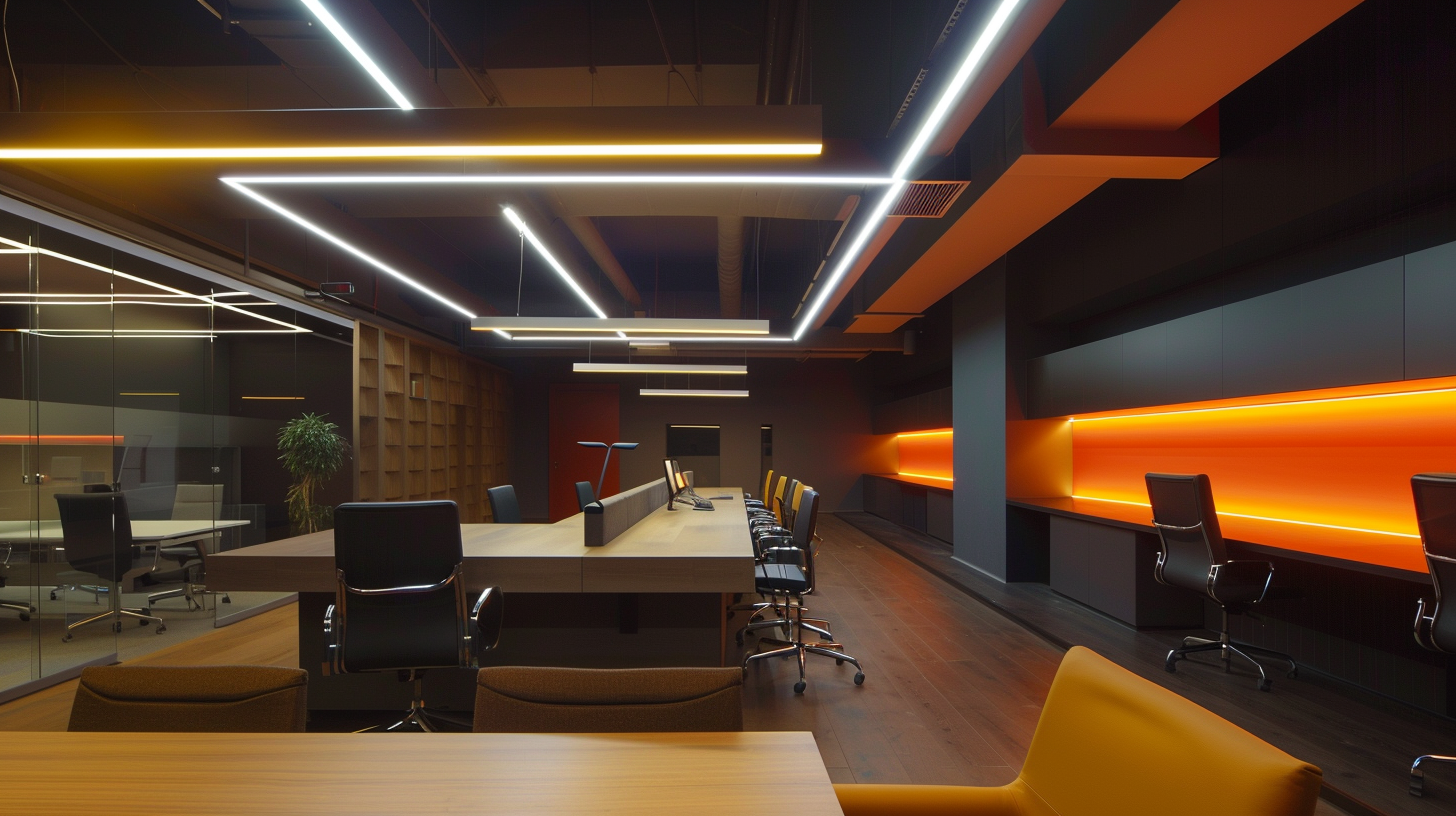
At the core of architectural lighting design are three main categories that serve different purposes: ambient/general, task, and accent lighting. LED lighting, with its technological advances and versatility, plays a crucial role in creating creative lighting designs. Understanding how to balance and layer these types is key to creating cohesive, functional schemes.
Ambient or General Lighting Ambient lighting provides the overall illumination needed for safe movement and wayfinding within a space. It creates a base layer of brightness without which the other types could cause harsh contrast. Ambient sources like ceiling-mounted fixtures or cove lighting allow ambient light to feel gently diffused.
Task Lighting
As the name suggests, task lighting increases illumination levels in areas where specific activities need to be performed, like reading, cooking, or working. It prevents eye strain and shadows. Common task lights include pendant fixtures over counters or adjustable desk lamps.
Accent Lighting
Accent lights are focused beams that draw attention to specific objects, architectural elements, or textures within a space. This strategic highlighting helps establish visual emphasis and hierarchy. Examples are recessed adjustable lights that graze textured walls or track lighting that spotlights artwork.
Decorative Lighting
While not vital for functional needs, decorative lighting like cove lights, strips, or fixtures with unique designs can add visual flair and interest. Used tastefully, it contributes to the overall atmosphere and aesthetic.
Lighting Considerations and Applications

Architectural lighting design is a highly contextual practice, with countless factors influencing the appropriate lighting approach for a given space. Prioritizing natural lighting is essential due to its numerous health benefits and energy-saving aspects. From the intended function and bridging natural/artificial light to control systems and specific applications, designers must weigh many variables.
Space and Function
The purpose and activities happening within an architectural space inevitably shape its lighting requirements. A classroom needs ample task lighting for reading and writing, while a grocery store combines ambient and accent lighting to guide flow and highlight products. Designers must carefully analyze the spatial uses to determine the right lighting recipe.
Natural vs Artificial: Daylight Design
In many projects, lighting schemes can’t be conceived separate from natural daylight. Historically, public lighting has played a crucial role in urban development, with low-pressure sodium lamps being widely used for outdoor public lighting. Skilled daylighting design harmonizes a space’s artificial lighting with incoming sunlight to create balanced, energy-efficient illumination. This could involve placing work areas near windows for task lighting or integrating daylight sensors to automatically dim artificial lights when sufficient daylight is present.
Control Systems and Dimming
Smart control systems allow architectural lighting’s flexibility, efficiency, and functionality to be maximized. Automated dimming responds to daylight conditions, while zoned controls enable different space areas to be lit independently as needed. User controls like switches, sliders, and apps give occupants personalized lighting control.
Residential, Commercial, Cultural Applications
Each broad category of architectural application carries its own unique lighting requirements and opportunities. Lighting designers play a crucial role in enhancing the aesthetics and functionality of architectural spaces through creative lighting solutions. Residential lighting nurtures comfort, warmth and human-centric needs, while commercial spaces demand bright, energy-efficient lighting for visibility and safety. Cultural venues like museums prioritize fully controllable illumination to protect light-sensitive artifacts while allowing impactful exhibition lighting.
The most successful architectural lighting designs harmonize big-picture considerations like these with thoughtful adherence to core principles, resulting in environments that feel as functional as they are atmospheric.
Innovative Lighting Techniques

While rooted in long-standing principles, architectural lighting design is an ever-evolving field where creativity and new technologies continually unlock fresh possibilities for shaping the illuminated experience of buildings and spaces.
The history of lighting design has been significantly influenced by the Illuminating Engineering Society, a professional organization dedicated to the science, engineering, and aesthetic design of lighting.
Sculptural Lighting
Rather than serving as an accent, lighting itself can become a centerpiece through sculptural and installation-based designs. At the Calgary Central Library by Avalon Holographics, a curved, seemingly holographic lighting installation forms the artistic focal point while providing soft, ambient illumination. This blurs the boundaries between functional lighting and an architectural light sculpture.
Transforming Traditional Architecture
Conventions of how lighting and architecture relate are being upended through dynamic, changeable designs. The Shed in New York City by Rockwell Group features an innovative telescoping outer shell that can literally transform the building’s shape and thus its interplay with lighting effects. Such flexible designs allow lighting to become a more seamlessly integrated, transformative element.
Light as Storytelling
In some projects, lighting takes on a narrative role – using illumination to artfully convey a conceptual story or metaphor about a space. The “rain of light” effect filtering through the geometric perforations in the dome of the Louvre Abu Dhabi by Jean Nouvel creates a powerful visual story referencing the rich patterns and architecture of the Arabian world.
As designers leverage new lighting technologies, materials, and creative techniques, they push the boundaries of how illumination shapes not just the pragmatic functionality of a space, but its very experiential and artistic essence. The future promises even more pioneering applications.
The Brilliant Future: Lighting Technology Trends
Lighting technology is progressing rapidly, bringing more sustainable, controllable, and dynamic illumination capabilities to architectural design. The historical development of professional organizations, such as the Illuminating Engineering Society of North America (IESNA) and its counterparts in other countries, has played a crucial role in shaping the field. Energy-efficient LED and OLED sources enable complex color-changing scenes. Circadian lighting aligns interior environments to our innate human cycles. And IoT integration allows lighting to be seamlessly automated and controlled remotely.
Beyond just technological advances, the lighting design field itself is evolving as more artists and designers boldly experiment with unconventional lighting treatments and integrated lighting/architectural forms. We are only beginning to realize lighting’s full transformative potential in the built environment.
As technical potential and creative expression intertwine, the future of architectural lighting design shines brilliantly – continuing to push how illumination enhances human experiences with built spaces in new, meaningful, and even poetic ways.
Follow Webber + Studio on Google
Get our insights on Architecture and Austin design prioritized in your Google Search results.