
Humans have an innate connection to nature. This isn’t a new concept, but it’s one that’s been gaining steam in recent years. More and more people are interested in strengthening this connection, and one possibility is to bridge the gap between indoor and outdoor living.
Referred to as biophilic design, we expect to see more interest and examples of merging nature with home developments in the near future. Here’s why.
Table of contents
What Is Biophilic Design?
Biophilic design is the process of incorporating natural elements (think trees, water features, gardens, etc.) into our built environment. The intent is to enhance our health and well-being.
The term “biophilia” was first coined by biologist E.O. Wilson in the 1980s. Since then, architects and designers have been exploring how to incorporate this idea into their work.
At its core, biophilic design is about creating spaces that connect people with nature.
Natural light, materials like wood or stone, incorporating trees and greenery into the space, and creating views of nature through windows or outdoor spaces all play a role in this design genre.

Examples of Biophilic Design
Echoing the likes of the famous Frank Lloyd Wright waterfall house, developers and planners are on the hunt for ways to intertwine design with the natural environment.
New window technology is emerging to support biophilia, such as View Smart Glass. This glass reduces glare and automatically adjusts to natural light levels without the need for curtains or shutters. Occupants can see through the glass without obstructed views.
Developments with indoor greenhouses are also on trend. They provide aspects of nature in the home and emphasize the importance of growing your own food.
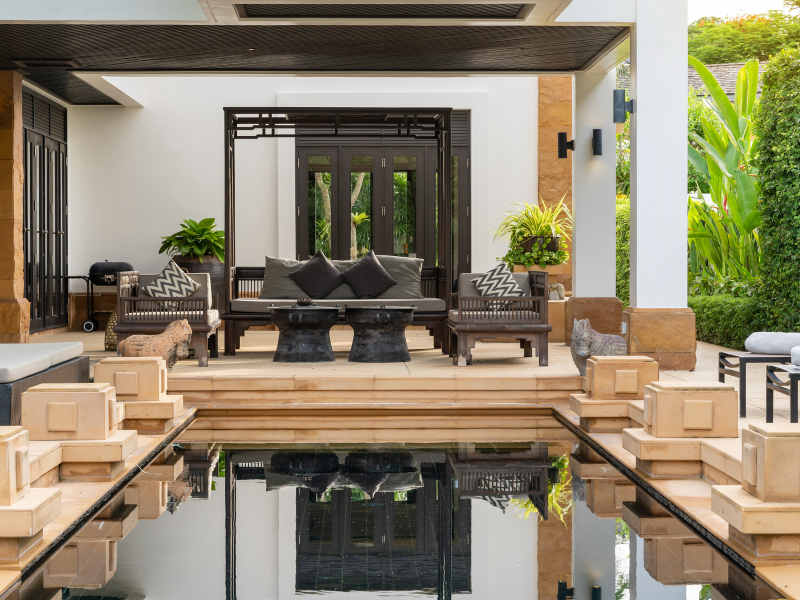
The presence of water features in any form is a biophilic design. Fountains, waterfalls, ponds, and even indoor swimming pools mirror the natural environment.
Skylights, living walls, rollup doors, and larger outdoor living spaces (like patios and porches) are also common aspects of biophilic design projects.
There are tons more examples out there. Biophilia features are giving planners and developers plenty of food for thought as they find unique ways to incorporate the outside world with each client’s inner world.
©Korakoch Sookkerd via Canva.com
Biophilic Development Around the World
Biophilic spaces aren’t specific to any one state or country. Developers around the world are embracing this residential art form and all its benefits.
Take the Bosco Verticale in Milan, Italy, for example. This housing complex is known as the “vertical forest,” thanks to its balconies covered in bushes and shrubs. The building includes systems to capture rainwater and irrigate these personal gardens.
The Living Grid House in Singapore pushes the boundaries of creativity in residential spaces. An abundance of skylights lends to natural lighting while supporting the health of interior plant walls.
Environmental researcher Stephen R Kellert includes more examples in his co-authored book, Biophilic Design: The Theory, Science, and Practice of Bringing Buildings to Life.
How Biophilic Design is Impacting Residential Developments
In the wake of the COVID pandemic, architects are looking at residential development through a fresh lens to see what elements are most suitable for daily living. After months of being stuck indoors, more people are realizing that nature is essential in everyday life.
The result: a trend in biophilic design applications.
The biophilia hypothesis seems to be strongest in concrete jungles like New York. The trees of Central Park and the fountains of Rockefeller Center simply aren’t enough to strengthen the connection of nature in city developments.

5 Benefits of Bringing Nature Indoors
Creating biophilic design in residential projects offers a wealth of benefits to people, properties, pets, and surrounding communities, including the following:
Improved Wellness
Biophilic design creates a more comfortable, calming, and visually appealing living space. These effects naturally lend to lower stress, which can improve clarity, productivity, heart health, and mental health.
And that’s just the beginning.
Biophilic design incorporates plants and other natural elements that can help to purify the air, leading to fewer respiratory problems and allergies.
Biophilic elements can encourage physical activity by incorporating features like gardens, green roofs, and walking paths. Residents feel inclined to spend more time outdoors and engage in physical activity, which can improve physical health.
Exposure to natural light and views of nature can help to regulate the body’s natural sleep-wake cycle, leading to better sleep quality.
Exposure to nature has also been shown to improve mood and increase feelings of happiness.
The importance of the people/nature connection cannot be overstated. There’s no part of human health that biophilia doesn’t affect in some way.
Increased Home Value
Biophilic infrastructure doesn’t require a massive estate. It doesn’t have to be expensive, but it does carry a luxury look and feel. Thinking about future resale, homes that incorporate biophilic design may fetch a higher asking price simply because of their appeal.
It is well documented that retail stores with biophilic designs earn higher revenue. Biophilic offices boost productivity. Hospitals at one with nature see patients heal faster, while bio-focused schools see higher student test scores.
It’s not a stretch to think that the price range of a biophilic home design could fall on the higher end.
Support for Local Communities
When incorporating greenery into your home design, look no further than your own backyard — or those of your neighbors.
Sourcing elements locally creates more environmental benefits of your biophilic home. You’re supporting your local community while creating a green home to be envied.
A Stronger Connection with Nature
Biophilic design is connected visually and physically to nature.
Elements throughout the home evoke images of the outdoors. These include permanent materials, such as floors made of wood or stone, as well as changeable items like indoor plants.
These and other natural elements serve to subtly remind you of your connection to nature.
To enjoy natural surroundings, you no longer have to venture out of the city. Small reminders help you create balance and harmony with nature on a daily basis within your home.
A Better Future for All
A premise of biophilic design is to use natural, sustainable materials whenever possible.
This has a ripple effect on environments everywhere, as it reduces the need to create new materials or use harmful synthetics. In turn, this means less waste, less pollution, less energy consumption, and less stress on the environment.
The added benefits to human health also create a promising future.
Good health makes us more likely to contribute to society. Living a longer, healthier life is just one of the many benefits to staying connected with nature, and it starts right here in our personal spaces.

Merging People + Planet: Where to Start
Webber + Studio focuses on custom design, but more importantly, we’re in the people business.
Our planners create places and spaces you can be proud of, ones that reflect your values and cater to your needs. We aim to highlight features and functions that show you the potential of daily living.
Merging nature with homes is one of the most requested property design forms we receive. That is one of our specialties, and we’re proud to help you make use of your property in the best possible ways.
We’re continuing to explore the features and functions of biophilia and how it applies to the building and design process. Contact our developers and planners to learn more about how we merge nature in residential spaces.
Follow Webber + Studio on Google
Get our insights on Architecture and Austin design prioritized in your Google Search results.